info@nelsonkb.com
 832-998-6598








When decorating a primary bathroom, there are several key elements to consider in order to achieve a functional and pleasant space. Proper planning and careful selection of materials and equipment can significantly improve the daily use of the bathroom. By choosing appropriate solutions, you can create a space that is not only aesthetically appealing, but also practical and comfortable to use. Today, we will analyze in detail the most important aspects to keep in mind when decorating your master bathroom, so that you can make the best decisions for your home.
Acoustics/Noise Level
Acoustics in the bathroom is an important factor that we often overlook. A well-designed bathroom should minimize noise and ensure privacy.
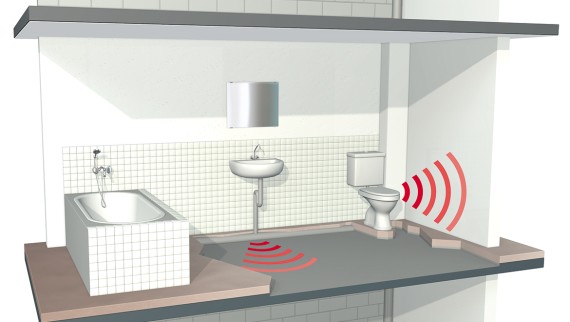
The materials you use in the bathroom affect the acoustics. Tiles, glass and metal reflect sounds, which can increase the noise level. Consider using sound-absorbing materials, such as carpets, curtains and upholstered furniture.
Installing soundproof doors can significantly reduce the transmission of noise from the bathroom to other rooms. This is especially important if the bathroom is close to the bedroom or living room. A quality door with solid cores and good sealing can make a big difference.

Bathroom ventilation can also be a source of noise. Choose a quiet ventilation system or install silencers to reduce fan noise. Modern fans are often designed to run quietly and efficiently, so it’s worth researching the options available on the market.
Walls and ceilings can improve acoustics if they are well insulated. Adding layers of insulation to walls and ceilings can help reduce echoes and sound transmission. Consider using special acoustic panels for additional sound insulation.
Decorative elements such as textile curtains, carpets and towels can additionally absorb sound and contribute to better acoustics. Small details can make a big difference, so don’t forget about them when decorating your bathroom.
Water Quality
Always make sure that the water coming from the taps is clean and safe to use. Regular water quality testing can detect the presence of chemicals, heavy metals and bacteria.
Installing a water filter is the first step to improving water quality. Filters can remove impurities such as chlorine, lead and other contaminants. Various types of filters are available, from those that are mounted directly on the faucet to central systems for the whole house.

Another way to improve water quality is to use a water softener. Hard water, which contains high concentrations of calcium and magnesium, can damage installations and devices. Water softeners help reduce scale and extend the life of water heaters, washing machines and other appliances.
Regular maintenance of water installations also plays an important role in preserving water quality. Old and damaged plumbing systems can cause leaks and water contamination. Periodically checking pipes and faucets can prevent problems before they become serious.
INSIDERS SECRET: Consider installing a gray water recycling system. This system enables reuse of water from sinks, showers and bathtubs for flushing toilets or watering plants. In this way, you reduce water consumption and contribute to the preservation of natural resources.
Air Quality and Circulation
High humidity and insufficient ventilation can lead to the formation of mold and the spread of bacteria. Proper maintenance of air quality can improve the daily use of the bathroom.
Ventilation is the most important factor in maintaining good air quality. Installing fans with adequate capacity ensures fresh air flow and reduces humidity. Fans should be cleaned regularly to ensure their optimal performance.

Dehumidifiers remove excess moisture from the air, which prevents mold and fungus. Keeping humidity levels below 60% is ideal for preventing these problems.
Regular bathroom cleaning is key to preserving air quality. Use natural or biodegradable cleaning products to avoid harmful chemicals that can pollute the air. Cleaning all surfaces, especially those that come into contact with water, helps prevent the growth of bacteria and mold.
Consider installing air-purifying plants. Plants such as aloe vera, English ivy and bamboo palm can help remove toxins from the air and improve indoor air quality.
See how our designers can create your Dream Kitchen

Get a free 2D layout
Design & layout with as many revisions until it’s perfect!

3D rendering
High quality, realistic 3D rendering of project within 24 hours!

Itemized quote
Quotes are detailed, transparent, and come with 15 day Price Gurantee!

Professional Grade Design
Professionalism and quality so good, 15,000+ families have said YES!
Lighting Quality
The basic lighting should be bright enough to illuminate the entire room. Ceiling lights are the most common choice for this. LED ceiling lamps are energy efficient and provide strong, even lighting. Make sure the light is bright enough to avoid shadows.
Additional lighting around the mirror is essential for tasks such as shaving, applying makeup, and brushing teeth. Wall lamps or light panels placed on both sides of the mirror provide even illumination of the face without casting shadows. LED strips around the edges of the mirror can also be an effective solution.

Ambient lighting can improve the atmosphere in the bathroom. Lighting elements built into the walls or under the cabinets add gentle light that creates a relaxing ambience. Use light dimmers so you can adjust the intensity as needed.
Accent lighting can highlight certain parts of the bathroom, such as artwork or architectural details. Small spotlights or directional lights can draw attention to these elements and add visual interest to the space.
The use of different color temperatures can affect the experience of the space. Warmer tones of light (around 2700-3000K) create a pleasant and relaxing atmosphere, while cooler tones (around 4000-5000K) provide brighter and more energetic lighting that is suitable for activities that require precision.
Natural Light
Windows are the main source of natural light. If possible, plan windows to make the most of daylight. Windows placed on the south side provide the most light during the day. Consider using large windows or glass doors that allow more light into the space.
Glass elements can further increase the amount of light in the bathroom. Glass partitions, shower cabins and mirrors reflect light and help to spread it evenly throughout the room. This is especially useful in smaller bathrooms where every source of light is important.

The use of transparent or semi-transparent curtains can allow light to pass through while maintaining privacy. Curtains made of light materials such as muslin or tulle are ideal for this purpose. Also, consider adjustable blinds to control the amount of light entering the room.
Light colored walls and ceilings reflect more light than dark colors. Using light shades of white, beige or pastel tones can help improve lighting. This technique is simple and effective for increasing natural light in any space.
Final Thoughts
Planning a primary bathroom requires attention to detail in order to achieve the perfect balance of functionality and aesthetics. Five key factors to consider are: acoustics/noise level, water quality, air quality, air circulation and lighting quality.
Proper acoustic insulation reduces noise, while filtration and water softening ensure clean and safe water. Good ventilation and dehumidification maintain optimal air quality, and proper circulation prevents moisture and mold. Finally, the combination of different types of lighting improves functionality and atmosphere.
Focus on these aspects to create a comfortable, safe and aesthetically pleasing bathroom that suits your needs!
Looking for new cabinets? Gray Collection or White Collection

Nelson Cabinetry
Nelson Cabinetry is an online distributor of high quality kitchen and bathroom cabinetry. We pride ourselves in delivering a high quality product via an easy to use, convenient website. Placing your cabinet order has never been easier and you can do so from the comfort of your home, office or job site.