info@nelsonkb.com
 832-998-6598







Installing your own kitchen cabinets is a great way to save money on a kitchen renovation and add a personal touch to your home. However, it’s a big job that requires careful planning and the right tools. In this comprehensive guide, we’ll walk you through the 15 essential tools you need for a DIY kitchen cabinet installation.
1. Tape Measure

The first tool you’ll need is a tape measure. This is a basic but essential tool for any DIY project, and especially for installing kitchen cabinets. You’ll use it to measure the dimensions of your kitchen, the size of your cabinets, and the distance between them. A good tape measure can mean the difference between cabinets that fit perfectly and ones that don’t. It’s worth investing in a high-quality tape measure with a lock feature to ensure accurate measurements.
2. Level

Next, you’ll need a level. When you’re installing cabinets, it’s vital to ensure they are perfectly level. Even a small degree of tilt can lead to problems down the line, such as doors that won’t close properly or items that slide off the shelves. A level will help you check and double-check that everything is straight and level throughout the installation process.
3. Drill

A power drill is another crucial tool for installing kitchen cabinets. You’ll use it to drill holes for screws and hardware, as well as to secure the cabinets to the wall. There are many drills on the market, but for installing cabinets, it’s best to choose one with variable speed controls and plenty of power.
4. Screwdriver
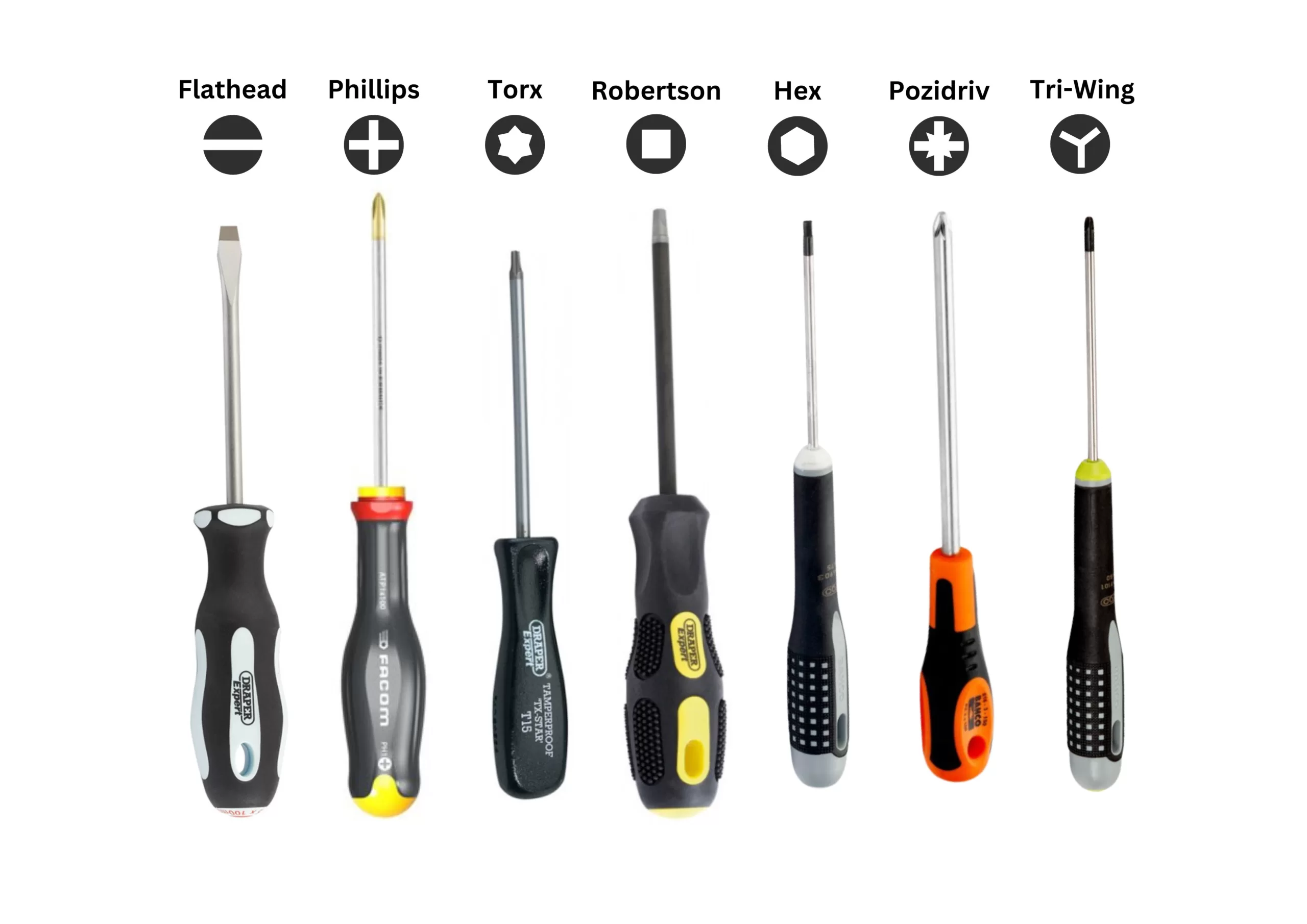
While a power drill is handy for driving screws quickly, a manual screwdriver gives you more control. This is important when you’re working with delicate materials or in tight spaces where a drill might be too powerful. A set of screwdrivers in various sizes will ensure you have the right tool for any job.
5. Stud Finder
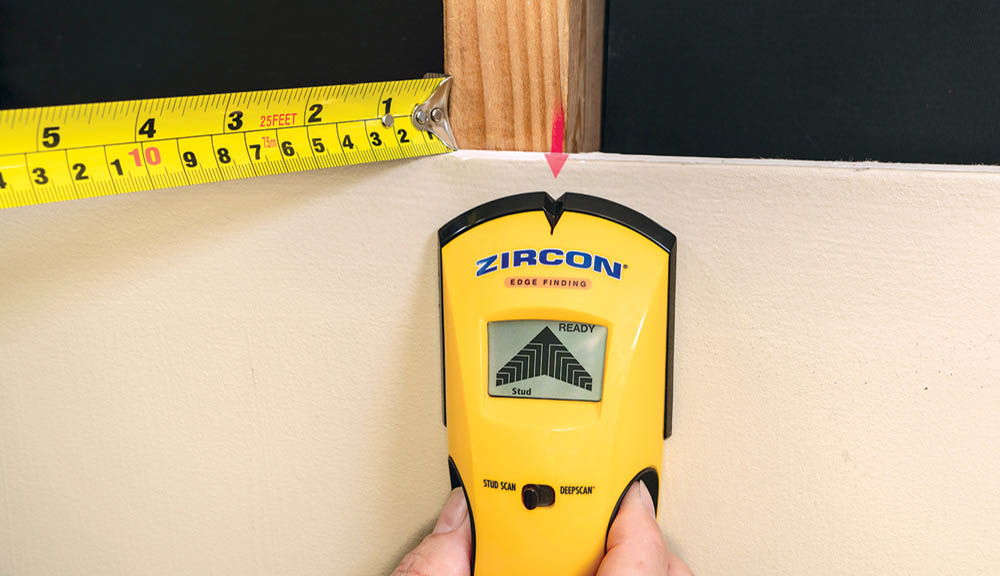
When you’re hanging cabinets, it’s crucial to secure them to the wall studs. A stud finder is a tool that detects the location of studs behind the wall, allowing you to install your cabinets securely. There are various types of stud finders available, some more advanced than others, but even a basic model will do the job.
See how our designers can create your Dream Kitchen

Get a free 2D layout
Design & layout with as many revisions until it’s perfect!

3D rendering
High quality, realistic 3D rendering of project within 24 hours!

Itemized quote
Quotes are detailed, transparent, and come with 15 day Price Gurantee!

Professional Grade Design
Professionalism and quality so good, 15,000+ families have said YES!
6. Clamps

Clamps are another essential tool for cabinet installation. They hold your cabinets in place while you’re working, preventing them from shifting and ensuring a tight fit. You’ll need clamps in various sizes to accommodate different cabinet dimensions.
7. Circular Saw

For any cutting tasks during your cabinet installation, you’ll need a circular saw. This versatile tool can cut through a variety of materials, including wood, plywood, and MDF. Make sure to choose a circular saw with an adjustable base for making bevel cuts.
8. Jigsaw

While a circular saw is great for straight cuts, a jigsaw is necessary for making curved or intricate cuts. This is especially useful when you need to cut out spaces for outlets or plumbing fixtures. A jigsaw with a variety of blades will allow you to make precise cuts in a range of materials.
9. Router

A router is a specialized tool that’s used for cutting decorative edges on cabinet doors and creating recesses for door hinges. While not everyone will need a router for their cabinet installation, it’s a good tool to have if you want to add a professional finish to your cabinets.
10. Safety Gear

Safety should always be your first priority when undertaking a DIY project. This includes wearing safety glasses to protect your eyes from dust and debris, ear protection to shield your ears from the noise of power tools, and durable gloves to protect your hands.
11. Hammer

A hammer is a basic tool that’s useful for a variety of tasks, from driving in nails to making minor adjustments. Choose a comfortable, well-balanced hammer that fits well in your hand for the best control.
12. Pry Bar

If you’re removing old cabinets before installing new ones, a pry bar will be invaluable. This tool helps you carefully remove cabinets without damaging the walls or surrounding fixtures.
13. Utility Knife

A utility knife is handy for opening packages, trimming materials, and other miscellaneous tasks. It’s a good idea to keep one on hand throughout your project.
14. Pencil

A pencil is necessary for marking measurements and cut lines. Opt for one with an eraser, in case you need to make changes.
15. Adjustable Wrench

Finally, an adjustable wrench is useful for tightening bolts and nuts. It’s particularly handy if you need to disconnect plumbing during your installation.
Looking for new cabinets? Gray Collection or White Collection

Nelson Cabinetry
Nelson Cabinetry is an online distributor of high quality kitchen and bathroom cabinetry. We pride ourselves in delivering a high quality product via an easy to use, convenient website. Placing your cabinet order has never been easier and you can do so from the comfort of your home, office or job site.