info@nelsonkb.com
 832-998-6598







Picture this: It’s a sunny Saturday morning, and you’re finally tackling that home improvement project you’ve been putting off. The paint is fresh, the floors are spotless, and everything seems perfect.

But there’s a hidden danger lurking in your home that many homeowners overlook—poor ventilation. It might not be the most glamorous topic, but understanding the risks and solutions could save you a heap of trouble down the road.
The Silent Culprit: Stale Air
When we talk about home ventilation, we’re essentially talking about the flow of air in and out of your living spaces. Good ventilation means fresh air replaces stale air regularly, but poor ventilation? That’s a whole different beast. Stale air can accumulate, bringing with it a host of problems.
Imagine all the activities that happen inside your home: cooking, cleaning, breathing (yep, that’s a big one), and even that occasional DIY project. Each of these activities releases moisture, chemicals, and other pollutants into the air. Without proper ventilation, these can linger, creating an unhealthy environment.
The Health Risks
One of the most immediate concerns of poor ventilation is its impact on health. Indoor air quality can quickly deteriorate when ventilation is inadequate, leading to several potential health issues:
- Respiratory Problems: Dust, mold spores, and other allergens can accumulate, causing or exacerbating conditions like asthma and allergies. If you find yourself or your family members coughing, sneezing, or wheezing more often, it might be time to look at your home’s ventilation.
- Mold and Mildew: Excess moisture from daily activities can lead to mold and mildew growth. Not only do these fungi damage your home’s structure, but they also release spores that can cause serious respiratory issues and even skin irritation.
- Chemical Exposure: Everyday household products, from cleaning supplies to paint, release volatile organic compounds (VOCs). In a poorly ventilated home, these chemicals can reach levels that are harmful to human health, leading to headaches, dizziness, and long-term health effects.
Structural Damage
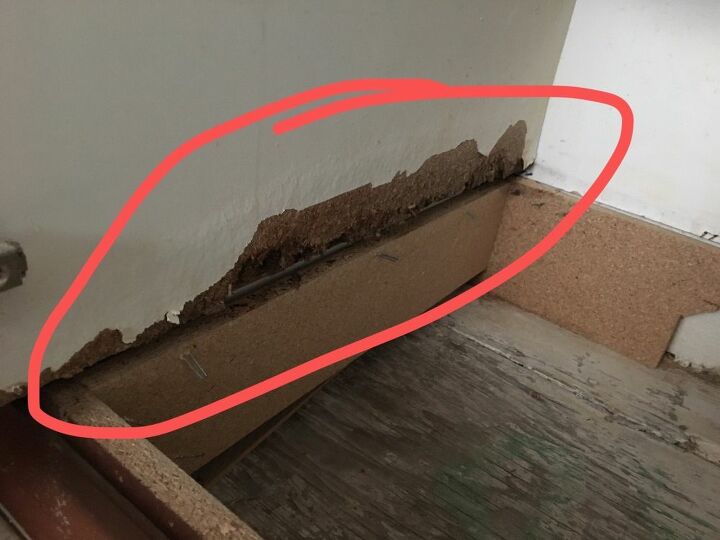
Poor ventilation isn’t just a health hazard; it can also wreak havoc on your home’s structure. Moisture is a major culprit here. Without proper airflow, moisture can build up in places like your attic, basement, and even within your walls. Over time, this can lead to:
- Wood Rot: Excess moisture can cause wooden beams and structures to rot, compromising the integrity of your home.
- Insulation Damage: Wet insulation loses its effectiveness, leading to higher energy bills as your heating and cooling systems work overtime to compensate.
- Foundation Issues: In extreme cases, moisture can seep into your foundation, causing cracks and structural instability.
The Unseen Energy Costs
Speaking of energy bills, poor ventilation can also affect your home’s energy efficiency. When your home can’t breathe, it struggles to maintain a consistent temperature. This means your HVAC system has to work harder, leading to higher energy consumption and, consequently, higher utility bills.
See how our designers can create your Dream Kitchen

Get a free 2D layout
Design & layout with as many revisions until it’s perfect!

3D rendering
High quality, realistic 3D rendering of project within 24 hours!

Itemized quote
Quotes are detailed, transparent, and come with 15 day Price Gurantee!

Professional Grade Design
Professionalism and quality so good, 15,000+ families have said YES!
Signs Your Home Might Have Poor Ventilation
Now that we’ve covered the dangers, how can you tell if your home has ventilation issues? Here are a few telltale signs:
- Condensation: If you frequently notice condensation on your windows, it’s a sign that moisture levels are too high.
- Musty Odors: Persistent musty smells are often a sign of mold or mildew growth, both of which thrive in poorly ventilated areas.
- Visible Mold: Mold in corners, on ceilings, or around windows is a clear indicator of excess moisture and inadequate ventilation.
- Hot or Cold Spots: Inconsistent temperatures throughout your home can signal that your HVAC system isn’t able to circulate air properly.
Solutions to Improve Home Ventilation
The good news is that improving your home’s ventilation doesn’t have to be a massive undertaking. Here are some effective solutions:
- Use Exhaust Fans: Ensure that bathrooms and kitchens have exhaust fans that vent outside. These help remove moisture and odors at the source.
- Open Windows: Whenever possible, open windows to allow fresh air to circulate. Even a few minutes each day can make a significant difference.
- Don’t Forget Attic Ventilation: Proper attic ventilation is crucial in preventing heat and moisture buildup. Products from companies like McCombs Supply can make a big difference here, ensuring your attic stays dry and your home energy-efficient.
- Check Your HVAC System: Regular maintenance of your HVAC system is essential. Make sure filters are changed regularly and that the system is functioning efficiently.
- Use a Dehumidifier: In particularly damp areas, a dehumidifier can help reduce moisture levels and prevent mold growth.
The Role of Ventilation in Preventing Pests
Proper ventilation doesn’t just keep your home comfortable and energy-efficient; it also plays a crucial role in pest prevention. Here’s how good ventilation can help keep these unwelcome guests at bay:
- Termite Prevention: Termites are attracted to moist, decaying wood. By ensuring your home is well-ventilated, especially in crawl spaces and attics, you reduce the moisture levels that attract these destructive pests.
- Rodent Deterrence: Rodents often seek out warm, damp places to nest. Good ventilation helps maintain a dry, less inviting environment, making it less likely for rodents to take up residence in your home.
- Insect Control: Many insects, including ants and cockroaches, prefer damp conditions. By reducing excess moisture through proper ventilation, you can significantly decrease the likelihood of infestations.
The Benefits of Natural Ventilation
While mechanical ventilation systems are important, don’t underestimate the power of natural ventilation. Harnessing natural airflow can be an eco-friendly and cost-effective way to improve your home’s air quality. Here are some tips to maximize natural ventilation:
- Cross Ventilation: Open windows and doors on opposite sides of a room to create a natural airflow path. This encourages fresh air to replace stale indoor air, improving air quality and reducing humidity.
- Ventilation with Skylights: If your home has skylights, use them to enhance natural ventilation. Opening skylights allows hot air to escape, drawing cooler air in from lower windows and doors.
- Seasonal Adjustments: Adjust your ventilation strategy based on the season. In warmer months, take advantage of cooler morning and evening air by opening windows. In colder months, ensure your home is properly sealed and ventilated to prevent moisture buildup without losing too much heat.
Smart Home Technology and Ventilation
The advent of smart home technology has brought about innovative solutions for maintaining optimal ventilation. Here’s how you can leverage technology to enhance your home’s air quality:
- Smart Ventilation Systems: Modern smart ventilation systems can be programmed to adjust airflow based on humidity levels, occupancy, and time of day. This ensures your home remains well-ventilated without requiring constant manual adjustments.
- Air Quality Monitors: Invest in air quality monitors that track levels of pollutants, humidity, and temperature. These devices provide real-time feedback and can alert you when it’s time to ventilate or if there are potential air quality issues.
- Integration with HVAC Systems: Many HVAC systems can now be integrated with smart home platforms, allowing you to control ventilation, heating, and cooling from your smartphone. This ensures optimal air quality and energy efficiency, even when you’re not home.
Final Thoughts: Prioritizing Your Home’s Breathability
Improving your home’s ventilation is an investment in your health, comfort, and the longevity of your property. Whether you opt for natural methods, mechanical systems, or smart technology, the key is to maintain a consistent flow of fresh air throughout your home.
By prioritizing ventilation, you’re not just mitigating hidden dangers—you’re enhancing your quality of life. Fresh air is essential for a healthy home environment, so take the necessary steps to ensure your home breathes as freely as you do.
Looking for new cabinets? Gray Collection or White Collection

Nelson Cabinetry
Nelson Cabinetry is an online distributor of high quality kitchen and bathroom cabinetry. We pride ourselves in delivering a high quality product via an easy to use, convenient website. Placing your cabinet order has never been easier and you can do so from the comfort of your home, office or job site.