info@nelsonkb.com
 832-998-6598







Most green thumb enthusiasts know that little greenhouses are full of potential. With the right conditions, the seedlings can grow into thriving plants, lush with produce or blossoms. Aside from the sun’s warmth and the gardener’s loving care, an effective ventilation system creates the optimal conditions for your plants to flourish.
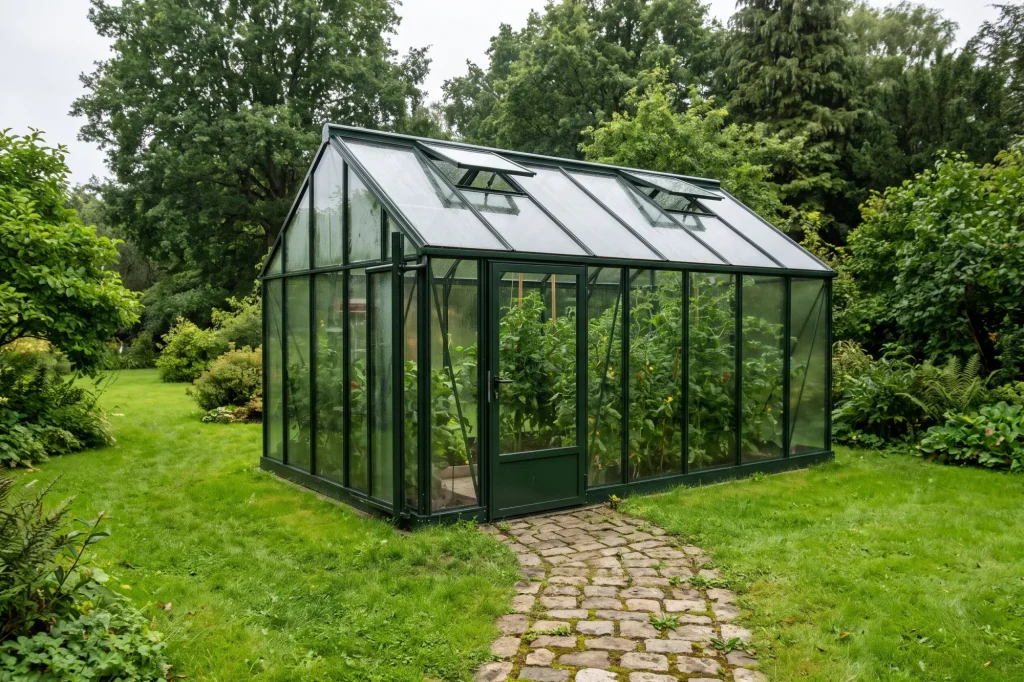
Ventilation is crucial in controlling temperature, managing humidity, and ensuring a constant supply of carbon dioxide for your plants. But how do you set up the ideal ventilation for your small greenhouse? This post will provide the answers you’re looking for.
Understanding The Importance Of Ventilation
Have you ever thought about the many benefits of a greenhouse? One significant advantage is that it provides a controlled environment for plants, allowing them to thrive regardless of external weather conditions. Why exactly is proper ventilation essential for a greenhouse?
Proper ventilation is crucial in preventing the onset of common plant diseases. Here are some of them:
- Powdery mildew
- Botrytis blight
- Damping-off
These diseases thrive in environments with high humidity and insufficient air circulation. The good news is that achieving optimal ventilation in your small greenhouse is attainable. By implementing the proper ventilation system, you can effectively reduce humidity levels, promote air exchange, and create a healthier environment for your plants to thrive.
Greenhouses With Vents Included
Why worry about retrofitting vents onto your greenhouse when there are options that come with vents included? These smaller greenhouses at South West Greenhouses come with the option of adding vents when you purchase, which will stop you from having to retrofit vents onto your greenhouse at a later date, and can prevent you having to worry about measurements or compatibility.
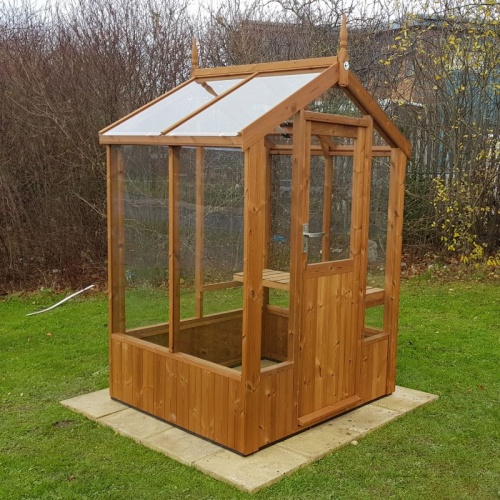
With these greenhouse options, you’re already one step ahead in ensuring your plants get the necessary ventilation.
See how our designers can create your Dream Kitchen

Get a free 2D layout
Design & layout with as many revisions until it’s perfect!

3D rendering
High quality, realistic 3D rendering of project within 24 hours!

Itemized quote
Quotes are detailed, transparent, and come with 15 day Price Gurantee!

Professional Grade Design
Professionalism and quality so good, 15,000+ families have said YES!
Installing Ventilation For Your Greenhouse
Here are the steps to set up the ventilation for your small greenhouse.
Choosing The Right Type Of Ventilation
You have two main ventilation systems to choose from: natural and mechanical. The natural approach relies on the wind and the principle of hot air rising to cycle fresh air into the greenhouse. It typically involves roof vents, side vents, or a combination. You can position them strategically to capitalize on wind patterns and temperature gradients.
On the other hand, the mechanical system involves electric fans and exhaust, offering more control and precision. While it does entail a higher upfront cost and ongoing energy use, the investment could be worthwhile for greenhouses in warmer climates or those growing more heat-sensitive plants.
Strategically Placing Your Vents And Fans
Consider placing vents on your greenhouse’s roof and sides for a natural ventilation system. Remember that warm air rises, and roof vents enable hot air to escape. Meanwhile, side vents facilitate fresh air inflow, creating natural air circulation.
On the other hand, you can place exhaust fans on one end of the greenhouse to push out the hot air for a mechanical system. On the opposite end, the intake shutters facilitate fresh air for the greenhouse. In both systems, the key is to establish a flow and prevent the formation of stagnant air pockets in your greenhouse.
Using Thermostats And Hygrometers
Thermostats and hygrometers are invaluable tools for controlling your greenhouse’s climate precisely. Thermostats continuously monitor the temperature, ensuring it remains within the desired range. On the other hand, hygrometers monitor the humidity levels within your greenhouse, allowing you to maintain optimal plant conditions.
You can monitor and regulate the climate of your greenhouse using these devices. Hence, you can provide your plants with the ideal environment for growth and ensure their well-being. This dynamic duo becomes your greenhouse’s guardians by setting specific parameters. They automatically trigger the ventilation system to adjust when conditions deviate from the desired range.
With the help of thermostats and hygrometers, you can ensure that your plants always stay within their optimal comfort zone. These tools promote healthy growth and safeguard against potential stressors, like extreme temperatures or excessive humidity.
Final Thoughts
Setting up adequate ventilation in your small greenhouse is simple. It involves understanding your plants’ needs, selecting the appropriate ventilation type, strategically positioning your vents or fans, and utilizing thermostats and hygrometers to control the environment.
Greenhouses need good fresh air circulation. Your plants require the exchange of oxygen and carbon dioxide to photosynthesize appropriately. After ensuring good ventilation for your greenhouse, you’ll soon have fresh herbs and vegetables for your next culinary adventures.
So, are you ready to provide your plants with the fresh air they need to thrive? They’ll undoubtedly show their gratitude with vibrant growth and abundant produce.
Looking for new cabinets? Gray Collection or White Collection

Nelson Cabinetry
Nelson Cabinetry is an online distributor of high quality kitchen and bathroom cabinetry. We pride ourselves in delivering a high quality product via an easy to use, convenient website. Placing your cabinet order has never been easier and you can do so from the comfort of your home, office or job site.