info@nelsonkb.com
 832-998-6598







As the backbone of your home, the foundation deserves not just quick fixes but deep, thoughtful care—especially as it weathers the ups and downs of seasonal shifts. Bandaging the cracks will not make the problems magically disappear; it’s about ensuring that the whole structure stands firm for years to come. Let’s talk long-term solutions and upgrades that can fortify your foundation against the elements, making your home a safe haven no matter what the force of Mother Nature throws your way.

Understanding Your Home’s Foundation
Foundation Types and Their Challenges
Did you know the type of foundation beneath your house greatly influences how it reacts to Mother Nature’s moods? Whether it’s a slab lying directly on the earth or a crawl space that lets it breathe, each has its own set of quirks when the weather throws a tantrum. Getting to grips with these can help you tailor your maintenance strategy perfectly.
Material Considerations
Concrete rules the roost when it comes to foundation materials, but it’s not invincible. It stretches in the heat and shrinks in the cold, and over time, this can lead to cracks. Knowing what your foundation is made of will clue you in on how it might behave as temperatures swing.
Assessing Age and Existing Conditions
Older foundations or those that have seen some repair work might not be as resilient as they once were. They’ve got stories to tell and scars to show! Regular check-ups can help catch any signs of wear before they turn into major issues, saving you a bundle and a headache.
Local Climate and Soil Type
Where you live plays a huge role in how your foundation holds up. In areas with clay-rich soil, you’ll see more swelling and shrinking as moisture levels change, which can really test your home’s bottom line. Understanding your local environment provides a roadmap for specific preventative care.
Effects of Temperature Fluctuations
Expansion and Contraction: Just as a hot day can make a metal bridge expand, the materials in your foundation react to temperature changes. Concrete and metal can expand in hot weather and contract when it cools, potentially leading to small cracks which, over time, may widen and deepen if not addressed.
Winter Woes: In colder climates, the freeze-thaw cycle can be particularly harsh on foundations. Water that has seeped into cracks can freeze, expand, and exert tremendous pressure, which can widen existing cracks or create new ones.
Heat Hazards: During the heat of summer, the soil around your foundation can dry out and contract, pulling away from the foundation and potentially causing the structure to settle unevenly or crack.
Thermal Shock: Rapid changes in temperature can also stress the materials in your foundation through repeated cycles of expansion and contraction, known as thermal shock, weakening them over time.
See how our designers can create your Dream Kitchen

Get a free 2D layout
Design & layout with as many revisions until it’s perfect!

3D rendering
High quality, realistic 3D rendering of project within 24 hours!

Itemized quote
Quotes are detailed, transparent, and come with 15 day Price Gurantee!

Professional Grade Design
Professionalism and quality so good, 15,000+ families have said YES!
Impact of Moisture and Rainfall
Water Accumulation Hazards: Picture this: water gathering around your foundation like guests at a party. Only this time, it’s not fun because that water increases what’s known as hydrostatic pressure—yep, it’s as scary as it sounds. This pressure can literally push against your foundation walls, causing them to bow or crack. The key here is control; managing groundwater effectively ensures your foundation doesn’t turn into a repair bill.
Importance of Effective Drainage: Got gutters? Great. But are they clean and directing water away like a traffic officer at a busy intersection? Ensure those gutters and downspouts are doing their job. And don’t forget to give your landscape a once-over to make sure it’s not accidentally sending water back toward your house. A slight slope away from your home can make all the difference.
Seasonal Moisture Management: As the seasons shift, so should your moisture management tactics. Spring thaws and autumn rains are particularly sneaky, often overwhelming systems that were just fine last season. Keep those drains clear, check the sump pump, and after a downpour, take a walk around your home. Any puddles hanging around? Time to reevaluate your drainage plans.
Mold and Mildew Prevention: Ugh, mold. It’s not just nasty; it’s a health hazard. If moisture sneaks into your basement or crawlspace, it can invite mold and mildew to the party. Circulating air in these areas and using a dehumidifier can keep them dry and increase your air quality.
Strategic Landscaping for Water Control: Landscaping is not just about curb appeal. The right plants in the right places can protect your foundation by absorbing excess water or by keeping it at bay with root systems that stabilize the soil. But keep those thirstier plants far enough so their roots don’t go searching for water near your foundation.
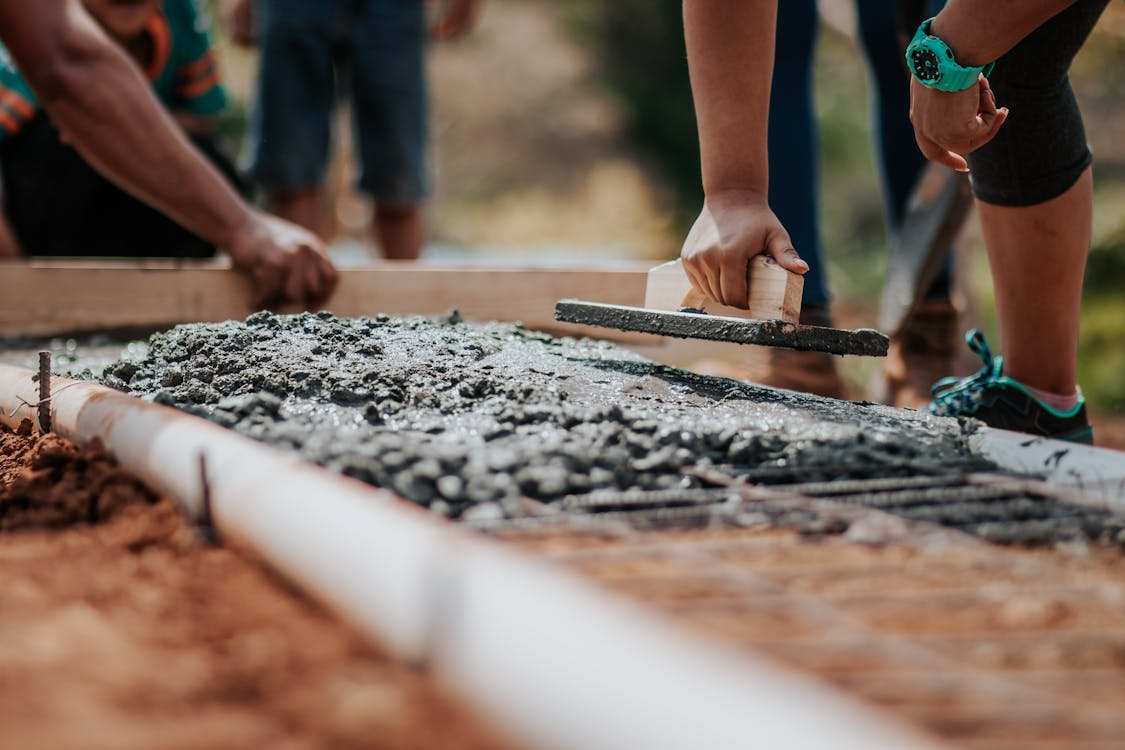
Long-Term Solutions and Upgrades
Underpinning
Have you noticed more serious shifts or changes in your foundation over the years? It might be time to think about underpinning. This isn’t a DIY Saturday project—it’s a major upgrade where a professional extends your foundation deeper or with more robust materials.
Professional Waterproofing
Here’s where you can really take control. Waterproofing isn’t just slapping some sealant around and calling it a day. No, this is about wrapping your home’s foundation in a protective barrier, like a raincoat, that keeps out unwanted moisture—be it from rain, snow, or your garden’s irrigation system.
Foundation Repairs and Adjustments
Caught a crack early? Great! Now, let’s fix it properly. Each repair might need a different approach depending on the crack’s size and location.
Soil Stabilization Methods
Soil behaving badly? Let’s get that sorted! Stabilizing your soil might involve techniques like mud jacking, where a slurry is pumped underneath to lift and stabilize the foundation, or more high-tech solutions like injecting polyurethane foam. These methods help even out the pressure on your foundation, keeping things steady and reducing the risk of future problems.
Maintaining Adjacent Areas
Routine Driveway and Garage Checks: Monitor these areas for signs of cracking or sinking, as they can indicate broader foundational issues.
Sealing and Protective Coatings: Using products like DIY garage floor epoxy not only beautifies these spaces but also protects against moisture intrusion from below.
Ensuring Proper Water Runoff: Good design and maintenance of driveways and garage areas prevent water from accumulating near the foundation.
Harmonious Design Considerations: Changes or repairs to the driveway or garage should always consider their impact on the overall drainage and soil stability around the foundation.
Understanding and addressing the impact of moisture and rainfall on your home’s foundation with these strategies ensures that your home remains secure, dry, and stable through all seasons. Maintaining the foundation is not just about fixing problems as they arise—it’s about anticipating challenges and implementing solutions that stand the test of time and weather.
Looking for new cabinets? Gray Collection or White Collection

Nelson Cabinetry
Nelson Cabinetry is an online distributor of high quality kitchen and bathroom cabinetry. We pride ourselves in delivering a high quality product via an easy to use, convenient website. Placing your cabinet order has never been easier and you can do so from the comfort of your home, office or job site.